
Understanding EWC Codes: The 3 Mistakes Everyone Makes
Avoiding these common mistakes can help businesses maintain compliance, improve operational efficiency, and mitigate regulatory risks.
Published :
Jul 22, 2025
Category :
Waste Code Tools & Classification
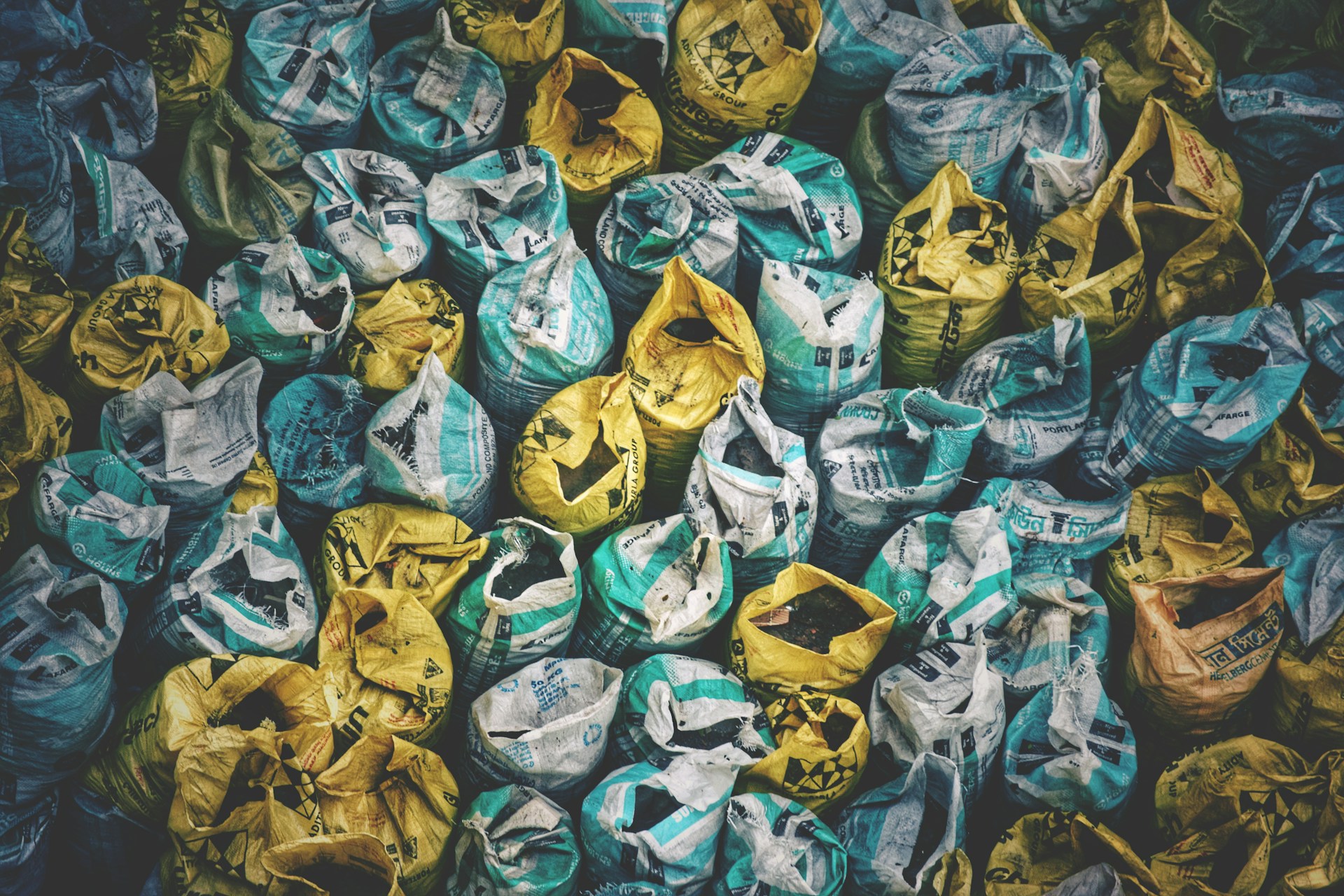
European Waste Catalogue (EWC) codes are the backbone of waste classification across the UK and EU, serving as the universal language for identifying, tracking, and managing waste materials. For facilities managers, compliance officers, and waste management professionals, getting these codes right isn't just about ticking regulatory boxes - it's about maintaining operational efficiency, avoiding costly penalties, and ensuring smooth business relationships with suppliers and customers.
Yet despite their fundamental importance, EWC codes remain one of the most misunderstood aspects of waste management. Small errors in code selection or documentation can cascade into significant operational challenges, from rejected waste shipments to regulatory enforcement action. Understanding where these mistakes commonly occur - and how to prevent them - can save your business considerable time, money, and regulatory headaches.
The Real Cost of EWC Code Mistakes
Before diving into the specific mistakes, it's worth understanding what's at stake. Incorrect EWC coding can result in:
Operational disruptions: Waste rejections at treatment facilities, leading to storage issues and additional transport costs
Regulatory penalties: Environment Agency enforcement action, including potential fines and increased monitoring
Business relationship strain: Lost credibility with waste contractors and customers who rely on accurate classifications
Audit complications: Time-consuming explanations during regulatory inspections and internal compliance reviews
Missed opportunities: Inability to identify suitable treatment routes or trading partners due to misclassified materials
Mistake 1: Incorrect Code Selection - The Devil's in the Details
The most frequent error in EWC code management occurs at the selection stage. Many professionals assume that similar materials share the same code, or that close approximations are acceptable. This approach can create significant compliance risks.
Understanding the Nuances
Consider these commonly confused pairs:
12 01 01 (ferrous metal filings and turnings) versus 12 01 02 (ferrous metal dust and particles)
While both involve ferrous metals, the distinction matters enormously. Code 12 01 01 applies to solid metal pieces created during machining operations - think metal shavings from turning, milling, or drilling. Code 12 01 02, however, covers fine particles that may arise from grinding, polishing, or oxidation processes. The physical form and generation method determine the appropriate code, which in turn affects handling requirements, treatment options, and disposal routes.
19 12 01 (paper and cardboard) versus 20 01 01 (paper and cardboard)
Both codes describe the same material, but context is everything. Code 19 12 01 applies to paper recovered from mechanical treatment of waste (such as from MRFs), while 20 01 01 covers paper from municipal sources. The waste's origin story determines the correct classification, and mixing these codes can create confusion for treatment facilities and regulatory authorities.
Common Selection Pitfalls
Relying on outdated information: EWC codes can be updated, and relying on old reference materials or memory can lead to obsolete classifications.
Assuming all similar materials are identical: Even minor compositional differences or contamination levels can require different codes.
Using convenience over accuracy: Selecting a code because it's commonly used in your facility, rather than because it accurately describes the specific waste stream.
Best Practice Solution
Always begin with a detailed waste characterisation:
Document the waste's exact composition, including any contaminants
Identify the source and generation process
Cross-reference with current EWC descriptions using resources like Machu AI's EWC Glossary, rather than relying on outdated references
When in doubt, consult the complete code descriptions rather than abbreviated lists
Consider seeking clarification from waste contractors or regulatory bodies for unusual materials
Mistake 2: Overlooking Code Hierarchy - Missing the Specificity Target
The EWC's hierarchical structure isn't just organisational - it's designed to guide users toward the most appropriate code for their specific situation. Yet many businesses consistently select general codes when more specific options exist, missing opportunities for better waste management outcomes.
Understanding the EWC Structure
The European Waste Catalogue organises codes in a three-tier hierarchy:
Chapters (XX): Broad industrial sectors or waste sources
Chapter 01: Wastes from mineral extraction
Chapter 12: Wastes from shaping and physical/mechanical surface treatment of metals
Chapter 20: Municipal wastes
Subchapters (XX XX): More specific activities within each chapter
12 01: Wastes from shaping and physical/mechanical surface treatment
12 03: Wastes from water and steam degreasing processes
Individual codes (XX XX XX): Precise waste descriptions
12 01 01: Ferrous metal filings and turnings
12 01 03: Non-ferrous metal filings and turnings
The Specificity Imperative
The regulation requires using the most specific code that accurately describes your waste. This isn't just bureaucratic precision - it serves practical purposes:
Treatment optimisation: Specific codes help treatment facilities understand exactly what they're receiving, enabling more efficient processing and better resource recovery.
Regulatory clarity: Specific coding demonstrates thorough waste characterisation, reducing the likelihood of regulatory questions or challenges.
Commercial advantages: Precise classification can open up specialist treatment routes that might offer better prices or more sustainable outcomes.
Common Hierarchy Mistakes
Stopping at subchapter level: Using general codes like "mixed metals" when specific metal types could be individually classified.
Defaulting to "other" categories: Selecting catch-all codes (typically ending in 99) without properly investigating more specific options.
Ignoring hazardous distinctions: Failing to distinguish between hazardous and non-hazardous variants of the same material type.
Practical Navigation Strategy
Start broad, then narrow: Begin with the relevant chapter based on your industry or waste source
Work systematically: Review all subchapters within your chosen chapter before selecting
Read full descriptions: Don't rely on code titles alone - review complete descriptions for context using comprehensive resources like Machu AI's EWC Glossary to access detailed, searchable code information
Consider multiple streams: If your waste container holds varied materials, consider whether separate codes might be more appropriate than a single general code
Document your reasoning: Keep records of why specific codes were chosen, particularly for unusual or borderline cases
Mistake 3: Mismanaging Documentation and Audit Trails - The Paper Trail That Protects
While selecting the right EWC code is crucial, maintaining proper documentation around that selection is equally important. Poor record-keeping is often where compliance breaks down, even when initial code selection was correct.
The Documentation Requirements
Effective EWC code documentation goes beyond simply recording the code number. Complete records should include:
Waste characterisation data: The analysis or assessment that led to code selection, including any testing results or visual inspections.
Decision rationale: Written explanation of why specific codes were chosen, particularly for complex or unusual waste streams.
Source information: Clear identification of where the waste originated, including specific processes or activities.
Quantity and date records: Accurate tracking of waste volumes and generation dates tied to specific codes.
Chain of custody: Documentation showing how coded materials moved through your waste management system.
Common Documentation Failures
Inconsistent coding: Different operators applying different codes to the same waste stream without documented justification for variations.
Insufficient detail: Recording only code numbers without supporting characterisation information.
Poor version control: Using outdated forms or systems that don't reflect current coding practices.
Missing audit trails: Inability to trace how specific coding decisions were made, particularly problematic during regulatory inspections.
Inadequate staff training records: No evidence that personnel responsible for coding have received appropriate training or updates.
Building Robust Documentation Systems
Standardise procedures: Create clear, written procedures for waste assessment and code selection that all relevant staff can follow consistently.
Use structured forms: Develop templates that capture all necessary information systematically, reducing the chance of missing critical details.
Regular reviews: Schedule periodic audits of coding decisions and documentation quality, identifying areas for improvement before external inspections occur.
Digital systems: Consider electronic record-keeping that can automatically cross-reference codes, flag inconsistencies, and maintain comprehensive audit trails.
Staff competence: Ensure personnel responsible for EWC coding receive regular training and stay current with regulatory updates.
Advanced Considerations for Complex Waste Streams
Mixed Waste Scenarios
Real-world waste management often involves materials that don't fit neatly into single categories. Consider these approaches:
Dominant component rule: When waste contains multiple materials, the code for the predominant component may be appropriate, provided other components don't create hazardous properties.
Separate coding: For clearly separable materials, individual codes may be more accurate than generic mixed waste classifications.
Risk assessment: Consider whether mixing codes might mask important safety or treatment considerations.
Contamination Issues
Contamination can fundamentally change appropriate EWC codes:
Cross-contamination: Clean materials contaminated with hazardous substances may require hazardous waste codes.
Threshold considerations: Small amounts of certain contaminants might not change the base code, while higher concentrations definitely would.
Treatment implications: Consider how contamination affects downstream treatment options and whether this should influence code selection.
Technology Solutions for EWC Code Management
Automated Validation Tools
Modern waste management increasingly relies on digital tools to reduce coding errors:
Database integration: Systems that cross-reference your waste descriptions with current EWC databases, flagging potential mismatches.
Consistency checking: Tools that identify when similar waste streams are coded differently, prompting review of the variations. Machu AI's EWC Checker can automatically compare EWC codes from permits and documents, highlighting matches and discrepancies instantly.
Audit trail automation: Digital systems that automatically capture decision rationale and maintain comprehensive records.
Real-Time Support Systems
Consider tools that provide immediate guidance during the coding process:
Interactive glossaries: Digital references that allow searching by waste characteristics rather than just code numbers. Tools like Machu AI's EWC Glossary enable users to search by chapter, subchapter, or specific terms to find the most appropriate codes quickly.
Decision trees: Structured workflows that guide users through the code selection process systematically.
Expert validation: Systems that can flag unusual or potentially problematic code selections for expert review.
Moving Forward: Building Excellence in EWC Code Management
Effective EWC code management isn't just about avoiding mistakes - it's about creating systems that support better waste management outcomes overall. When codes are selected accurately, documented thoroughly, and managed consistently, they become powerful tools for operational efficiency and regulatory confidence.
Looking to streamline your EWC coding processes? Machu AI's suite of waste management tools, including the EWC Glossary and EWC Checker, can help reduce errors, improve consistency, and maintain comprehensive documentation. Explore how digital solutions can support your compliance efforts and operational efficiency.